Galvanized Steel

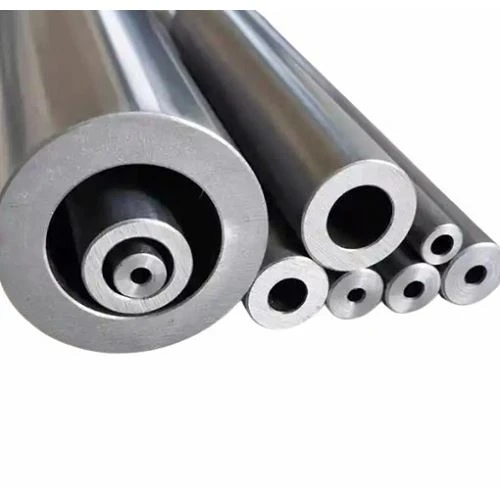
A106 A53 Seamless Steel Pipe


Your Professional Galvanized Steel Supplier

Hormann (Jinan) Metal Co., Ltd. was a company specializing in the professional production of various specifications and models of steel, research and development, design, production, sales, and service. Our products include galvanized steel, seamless steel pipe, stainless steel, aluminum alloy, copper alloy, black iron sheet, stainless rebar, and prepainted steel coil.


Why Choose Us
 

Wide Range of Applications
Our products are used in the construction industry, automotive industry, shipbuilding industry, chemical industry, metallurgical industry, aerospace industry, etc.


Broad Market

Our products are sold to the global market, mainly in the Middle Eastern countries, North America, Australia, and other regions, and have won unanimous praise.


Professional Advanced Equipment
We have a series of equipment specializing in the production of steel, including steel plate pretreatment equipment, steel plate leveling equipment, cutting machines, cold processing equipment, assembly equipment, welding equipment, correction equipment, painting equipment, lifting equipment, transportation equipment.


Leading Service
Professional engineers can provide consultation on sprocket expertise and professional advice on product selection, design, installation, and maintenance.

First 1234567 Last


Definition of Galvanized Steel

Galvanizing, or galvanization, is a manufacturing process where a coating of zinc is applied to steel or iron to offer protection and prevent rusting. Galvanized steel is among the most popular steel types because of its extended durability, having the strength and formability of steel plus the corrosion protection of the zinc-iron coating.
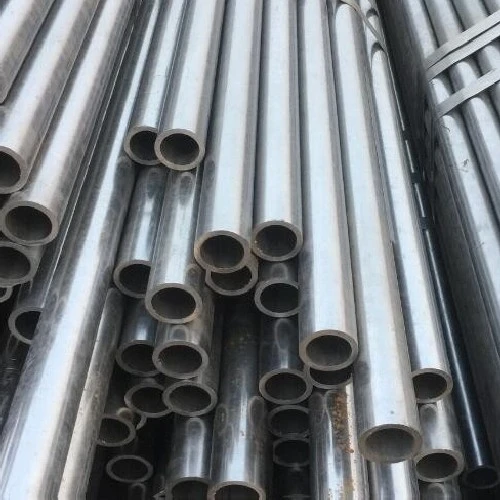
A106 A53 Seamless Steel Pipe


What are Advantages of Galvanized Steel
 

SCH 40 Seamless Pipe


01

Rust Resistance

Iron in steel is incredibly prone to rust, but zinc acts as a protective buffer between moisture, oxygen, and steel.
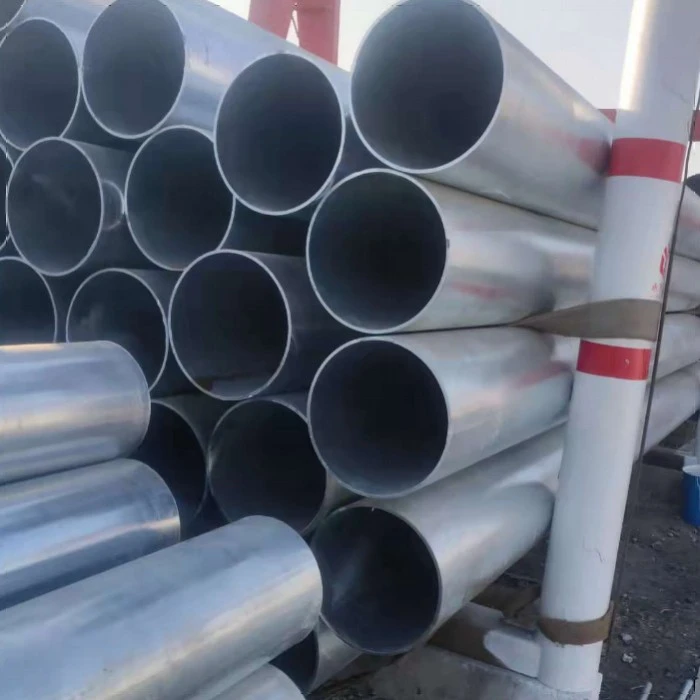
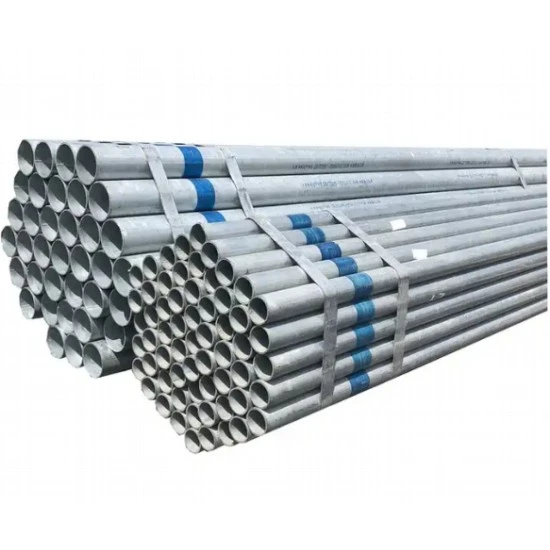
Hot-dip Galvanized Seamless Steel Pipe


02

Easy Inspection

It’s fairly simple to tell how strong a galvanized coating is, just by looking at it. Quick stress tests that can tell you how thick the zinc is.
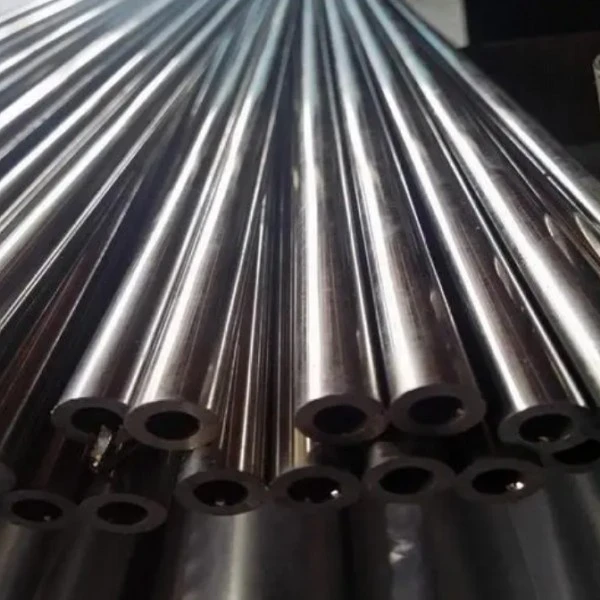
Astm A35 Seamless Steel Pipe


03

Sacrificial Anode

This ensures that any damaged steel is protected by the surrounding zinc coating. It doesn’t matter if the steel section is completely exposed; the zinc will still corrode first.
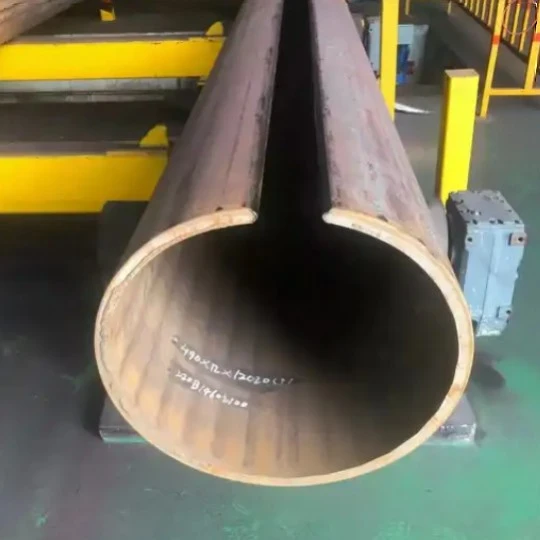
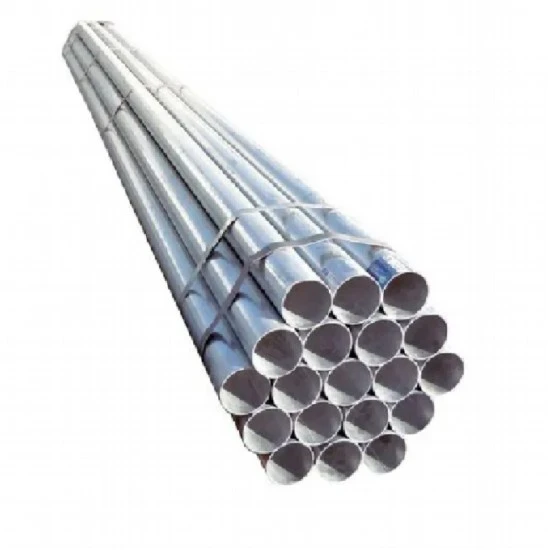
ASTM ERW Welded Steel Pipe


04

Longer Life

With galvanization, a piece of industrial steel is expected to last more than 50 years in average environments and can last over 20 years with severe water exposure. No maintenance required.


What are Features of Galvanized Steel
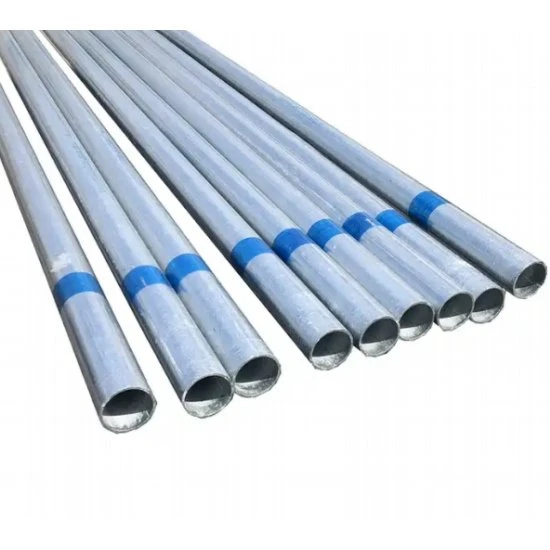
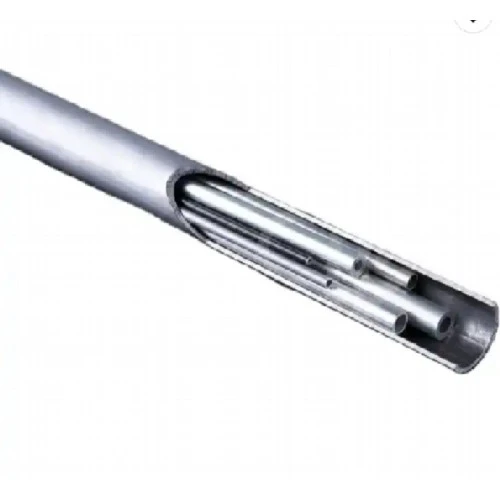
Q345B Seamless Steel Pipe
A106 A53 Seamless Steel Pipe

Corrosion Resistance
The covering of the surface of the steel is with a zinc layer. It has a certain level of thickness and a dense structure that prevents the blocking and contacting of corrosive solution and steel. Therefore it is the process of controlling the steel from being damaged and corrupted by the answer.
The formation of the zinc layer is thin and has dense and insoluble zinc oxide that is created on the surface of the air. Therefore, the process will help prevent the steel substrate from getting rust and damaged while in contact with the air. In addition, if the zinc oxide reacts with other components in the air, it forms an insoluble zinc salt that is better anti-corrosion for long-term effects and benefits.

Abrasion Resistance
The zinc-iron has good and sustainable abrasion resistance that helps keep the bond strong and with mutual dissolution.

Formability
The zinc coating helps the layer of allow have good durability and is firmly associated with the steel substrate. It is the process used more in forming industrial production, and the possibility of any damage is not seen with zinc coating.

Durability
For any steel structure parts, there is a need to have long-term durability of the product, and it is possible only when they are dipped in a hot-dip galvanization solution. Considering this property is helpful and effectively works to help a beneficial turning stage of the steel structural parts.

Excellent Surface Appearance
The overall appearance and look of the steel plate should look good and bright. Hence the undertaking of galvanization is a must. However, considering this will help the sheet look more colourful and more beautiful, that will not harm the product from its use.

Weldability
Developing galvanized products demands to weld; the step must be practical and adequately coated to make the welding process easier and faster.

Paintability
Although there is no firm requirement to get the steel painted, to a certain extent, the team demands to get it painted, which will deliver an accurate view and precision. Therefore, consider having painted for automobiles, furniture manufacturing, and other products requiring galvanized steel.

Recyclable
Due to the galvanizing process, the life of the steel is extended. Therefore, zinc and steel can be recycled without damaging the chemical and physical properties.


The Difference Between Galvanised and Non-Galvanised Steel Pipes
 

Cost
The cost of galvanised pipes is lower than that of non-galvanized pipes in the long run. This is because galvanised pipes are more durable than non-galvanised ones and do not corrode easily.


Strength
The strength of galvanised pipes depends on the thickness of the coating. The thicker the coating, the better it will be able to withstand corrosion from chemicals in the water or other substances that may come in contact with it. That is why galvanised steel pipes are stronger than non-galvanised steel pipes.


Corrosion Resistance
Because galvanised pipes have a protective coating that prevents rusting, they are much more resistant to corrosion than non-galvanised ones. This makes them ideal for use in areas with high humidity or exposure to saltwater or other corrosive substances like acids or alkalis.


Applications of Galvanized Steel
 
 
Wind & Solar Industries

Once installed, solar projects must operate continuously, and any repairs or upkeep will cost money. As a result of their ability to prevent corrosion, galvanized steels are widely used in solar installations. Because it does not emit emissions and guarantees decades without maintenance, it is also well-known for being “environmentally” friendly. Even when exposed to the harsh climate of solar projects, hot-dip galvanized steel offers corrosion protection that typically lasts for decades.

 
Automotive Industry

Zinc-coated car bodies are now standard in auto manufacture, although the manufacturer restricts it to high-end cars in the past. About 80% of a car’s body is its “body-in-white,” which is made entirely of galvanized steel. Galvanized steel’s ability to resist rusting makes it a useful tool for automotive prototyping since it allows businesses to offer consumers “anti-rust warranties.”

 
Telecommunications Industry

Due to their height and frequent difficulty in access, phone lines are quite challenging to maintain. For success, they need the strongest and most dependable materials. Phone wire and equipment boxes can be made of galvanized metal. Consequently, it lowers the danger of damage and eliminates the need for any maintenance.

 
Construction Industry

Galvanized steel has been a staple in the building business for more than a century, whether for commercial or residential use. In addition to its durability, it is also used for construction due to its aesthetic appeal. Galvanized steel has a contemporary feel, thanks to its “shine,” and designers frequently use it in modern architectural design concepts.
Additionally, people use it for a variety of smaller structural components as well, including fencing, rails, gutters, tubes, poles, and more.


Process of Galvanized Steel


Hot-Dip Galvanizing
The first and foremost method for galvanization is hot-dip galvanizing. The process is very similar to what the name suggests! In this method, steel or iron is dipped in a molten pool of zinc that maintains a temperature of around 860°F (460 °C). This molten bath begins a metallurgical bond between the zinc and the receiving metal. After the metal is pulled from the bath, it reacts to being exposed to the atmosphere, and the pure zinc mixes with oxygen to form zinc oxide. The zinc-oxide further reacts to carbon dioxide and forms zinc carbonate, which makes up the final protective coating on the material. The tell-tale sign of a hot-dipped galvanized material is the presence of a crystalline-like pattern on the surface, sometimes referred to as “spangle.”
The hot-dipped galvanizing method is an economical choice that can be quickly executed on both simple and complex shapes.
The new coated material can be worked and machined in a similar fashion to uncoated materials. Galvanized steel can be used in high-temperature applications up to 392 °F, but use in temperatures exceeding that level will cause the zinc-carbonate layer to peel off.

Galvannealing
Galvannealing is the outcome of combining the annealing and hot-dip galvanizing processes in order to produce a specialized coating on steel. The process of galvanization is performed via hot-dipping and instantaneous annealing, which produces a matte gray finish.
Galvannealed steel is a zinc-iron alloy product, where the base metal is coated by the hot-dip process, then heated to induce alloying between the molten zinc coating and the steel. The resulting finish is a dull matte surface. Galvannealed steel is conducive to welding and the surface is excellent for paint adhesion.

Pre-galvanizing
Also similar to the hot-dip galvanizing method, but performed at the very first stage of production. Pre-galvanizing is a process that involves rolling the sheet metal through a cleaning agent to quickly prime material for galvanizing. Then, the metal is passed through a pool of molten liquid zinc and is immediately recoiled. The primary advantage of this method is that coils of steel sheet can be rapidly galvanized on a large scale with a more unified coating than the traditional hot-dipped method.

Electrogalvanizing
The most unique of these outlined methods, electrogalvanizing does not involve dipping the material in a molten vat of zinc. Instead, an electric current is introduced to an electrolyte solution that is applied to the steel, which reduces positively charged zinc ions to zinc metal – which is then deposited on the positively charged steel. Like pre-galvanizing, this method is typically done at the first stage of production.


How Do You Maintain Galvanized Steel
 
01/

Avoid long periods of exposure of your galvanized steel product to environments where the pH is below 6 and above 12. Outside the range of pH 6-12 the galvanized coating can suffer greater corrosion than normal.

02/

Avoid direct contact of your galvanized steel product with dissimilar metals, such as brass and copper, particularly in corrosive environments. Where dissimilar metals are to be used together ensure that there is an insulator between the dissimilar metal and the galvanized product.

03/

Do not constantly abrade clean your galvanized product and, where possible, avoid abrasive washing of your galvanized product altogether. One of the ways in which galvanizing protects steel from corrosion is by the development of a thin barrier film of insoluble zinc corrosion products (known as a patina) on the outer surface of the galvanized steel through exposure to the atmosphere. Abrasive cleaning will wash away this protective patina and the galvanized article will have to build up this barrier protection again, consuming more of the zinc. Constant abrasive cleaning will consume the zinc more quickly and therefore may reduce the life of your galvanized steel product.

04/

Galvanizing may be cleaned using a water-based emulsifier, alkaline-based cleaners with a pH of 12 or lower or organic solvents. Then rinse the area with fresh water and simply wipe clean with a soft cloth.

05/

For galvanizing product situated in a highly corrosive environment eg. coastal, heavy industrial, etc it is recommended the product be rinsed with potable water on a regular basis, particularly under sheltered conditions (i.e. not exposed to rain and sun).

06/

Avoid long term storage of any galvanized product in damp and poorly ventilated conditions. Ensure the storage location is dry and there is effective ventilation.


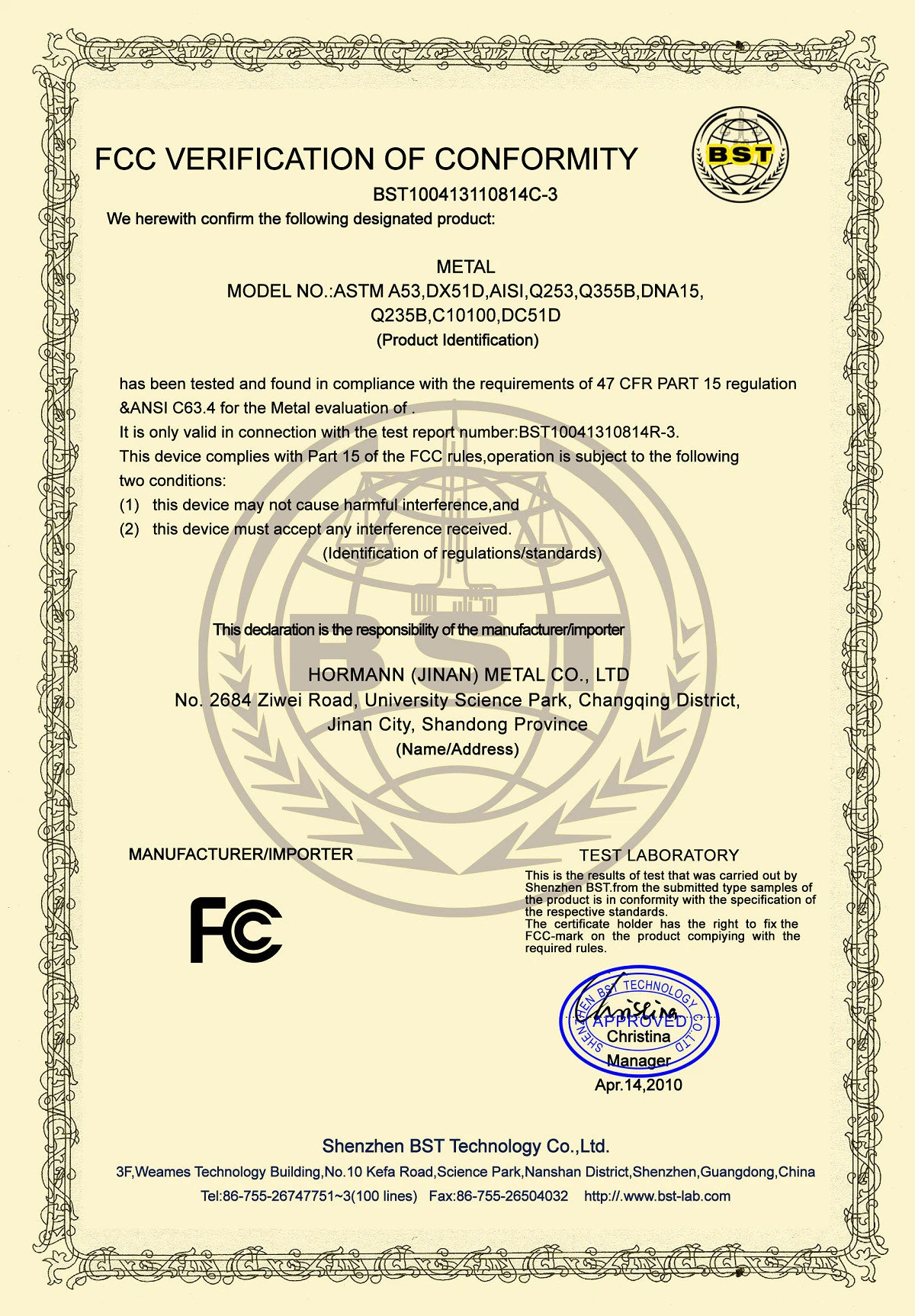
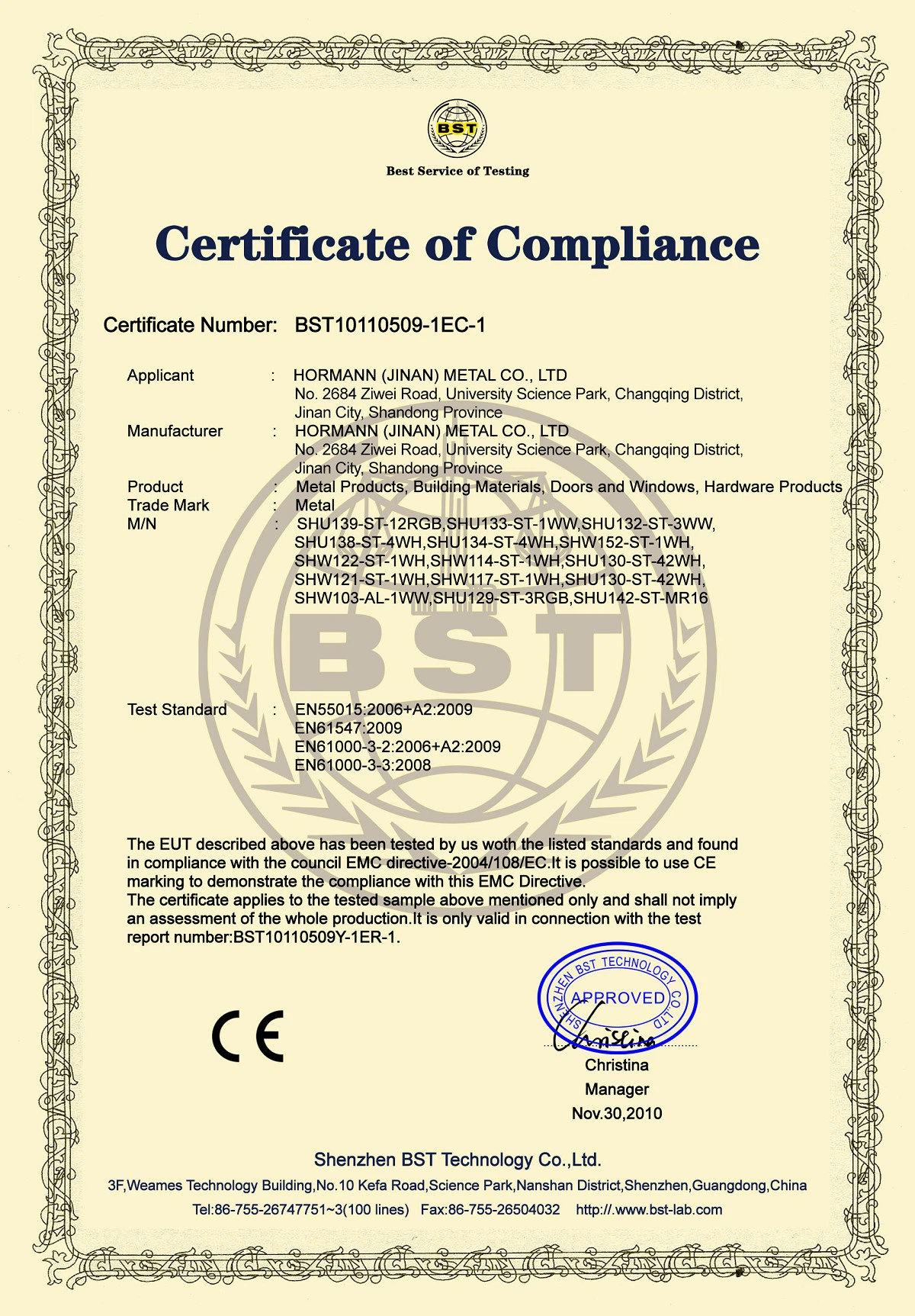
Our Certificate


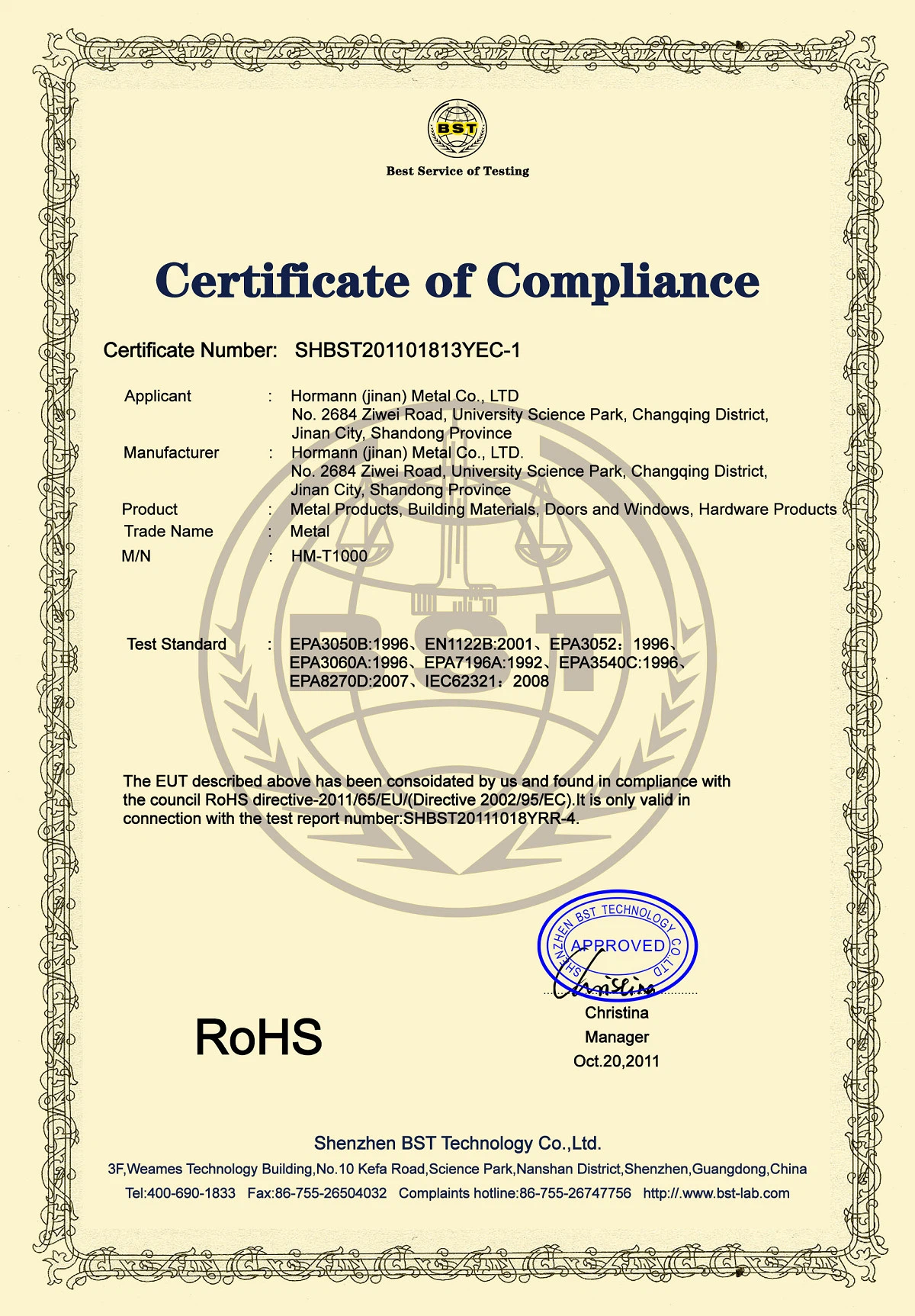
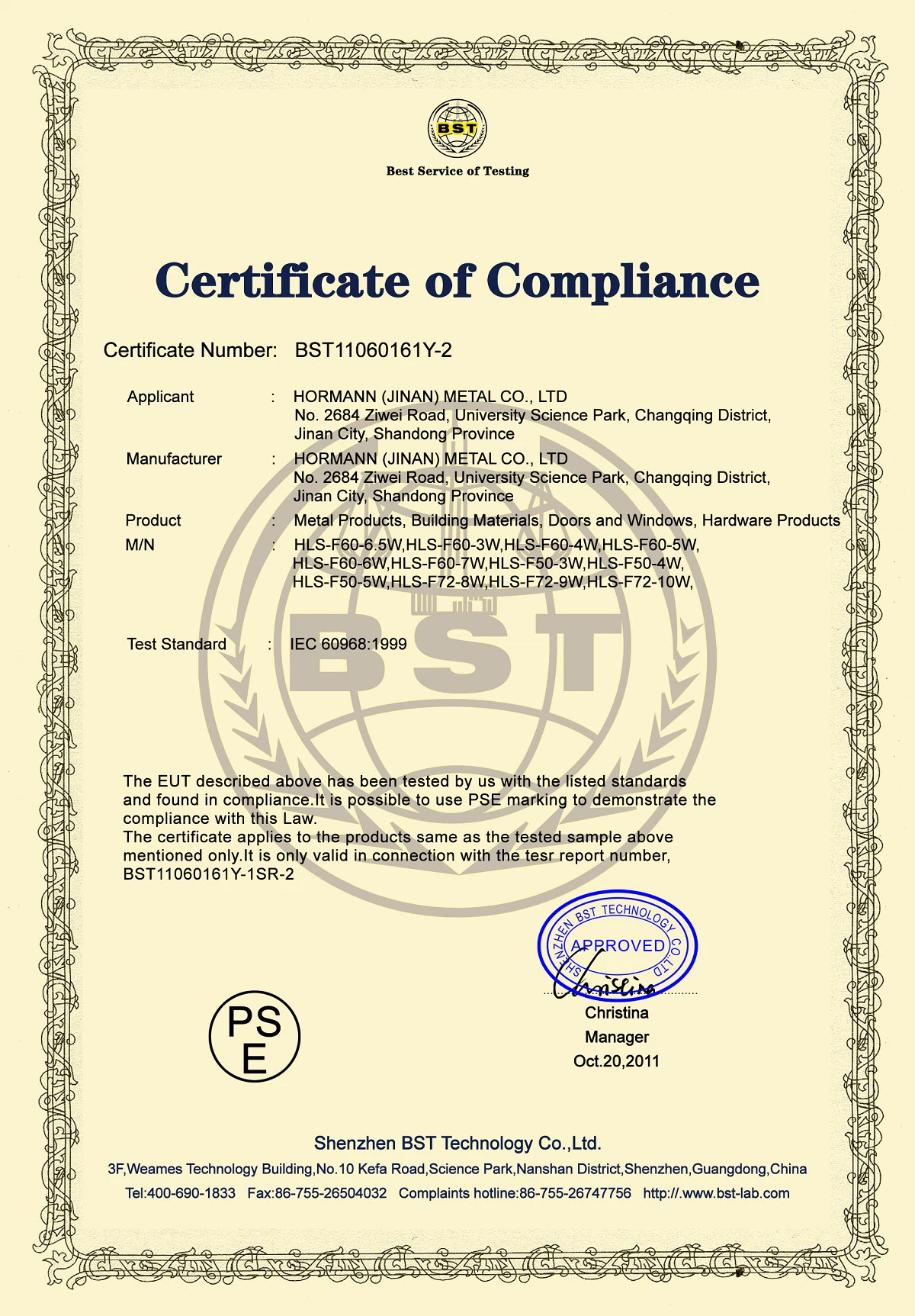
Our professional quality inspectors will conduct a quality inspection on each batch of products. Furthermore, authoritative test reports are also available.
productcate-1200-1725


Our Service

Customers can choose any length or other requirements, order or purchase various steel products or request special specifications.
Adjusting for the temporary lack of specifications in this library, saving you the trouble of rushing to buy.
Our transport service, which can be delivered directly to your designated place.
For the sold materials, we are responsible for the overall quality tracking, in order for you to eliminate worries.
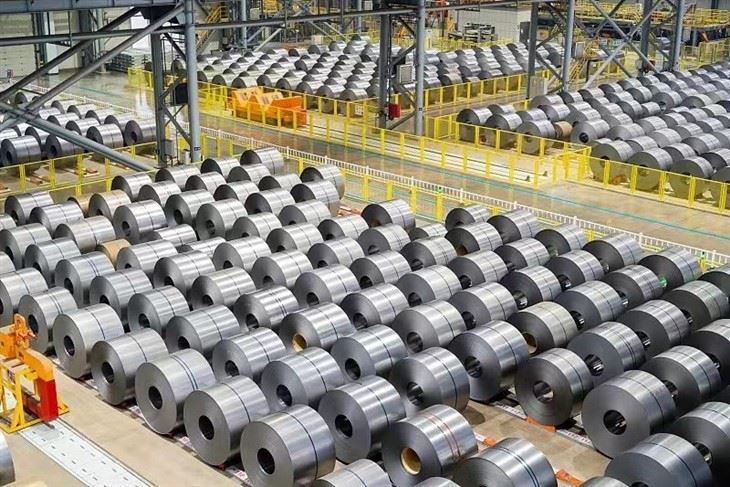
DX51D+Z Galvanized Steel Coil


productcate-705-654


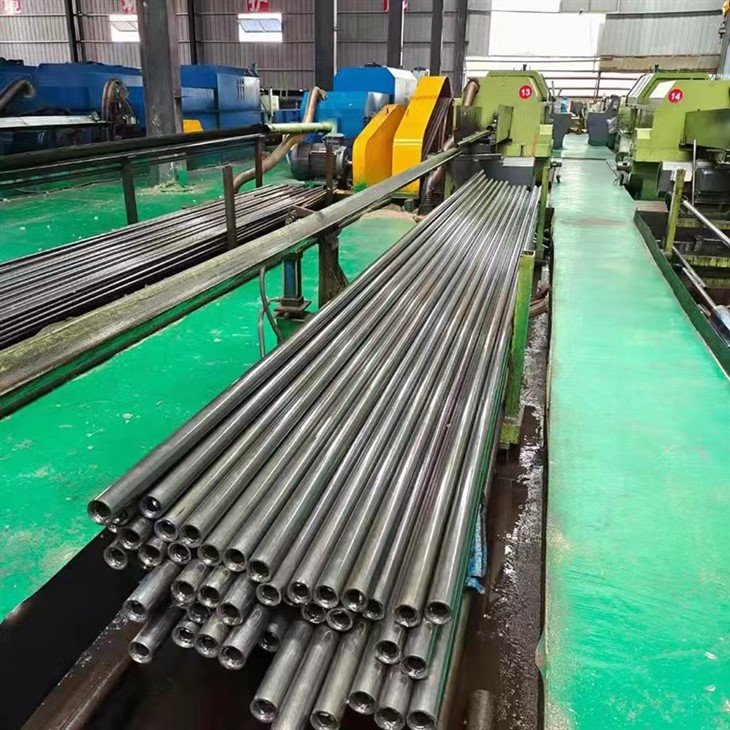
Our Factory

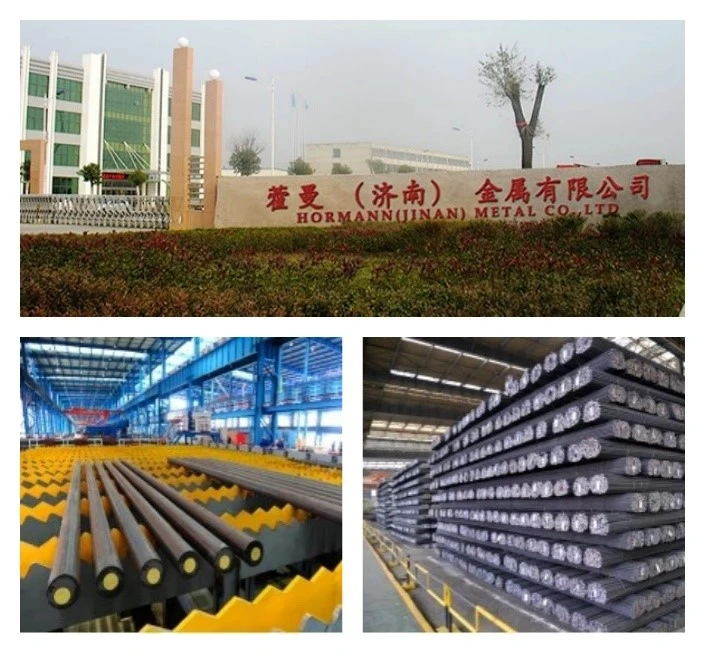
One-stop service helps you choose products suitable for your market and budget, save time, and achieve win-win cooperation.


Contact Us
Email
nancy@cn-hormann.com
Address
No. 2687 Ziwei Road, University Science Park, Changqing District, Jinan City, Shandong Province Room 1015, Area A, 10th Floor, Building A, West Innovation Park, Jinan
Phone
+8618769555682
+8613153828686


Frequently Asked Questions
 

Q: What are the advantages of galvanized steel?

A: Many different industries utilize galvanized steel primarily because it has such a wide array of benefits for industries to take advantage of, including having:
  • Low initial cost compared to most treated steels. In addition, galvanized steel is immediately ready to use when delivered. It does not require additional preparation of the surface, inspections, painting/coatings, etc. sparing companies more costs on their end.
  • Longer life. With galvanization, a piece of industrial steel is expected to last more than 50 years in average environments, and can last over 20 years with severe water exposure. There is no maintenance required. The increased durability of the steel’s finished product also increases the product’s reliability.
  • The sacrificial anode ensures that any damaged steel is protected by the surrounding zinc coating. It doesn’t matter if the steel section is completely exposed; the zinc will still corrode first. The coating will corrode preferentially to the steel, creating a sacrificial protection to the areas that are damaged.
  • Rust resistance from the zinc coating. The iron elements in steel are incredibly prone to rusting, but the addition of zinc acts as a protective buffer between the steel and any moisture or oxygen. Galvanized steel is very protective, including sharp corners and recesses that couldn’t be protected with other coatings, making it resistant to damage.

Q: What industries utilize galvanized steel?

A: Galvanized metals are used everywhere!
  • The bodies of cars and many bicycles are made from galvanized metals. Some drinking water pipes are still made from galvanized steel. Cool rolled sheet metal is also frequently galvanized. Nuts, bolts, tools, and wires of all kinds are now galvanized because it is a cheap process, and helps boost the metal’s lifespan!
  • Galvanized steel, in particular, is often what is used in modern “steel frame” buildings. Galvanized steel is also used to create structures like balconies, verandahs, staircases, ladders, walkways, and more. Galvanized metal is the ideal choice if your project will live outside after it’s done. Fences, roofs, outdoor walkways, these are all great choices for galvanized metal!
  • Wind & solar industries – Solar projects must have a continuous workflow once installed and any repairs/maintenance results in disruption to service (a.k.a. revenue loss). This means that hot-dipped galvanized steels are popular in solar projects for their corrosion protection. It is also popular for its ‘environmental’ friendliness because it does not produce emissions and ensures decades without maintenance. For example, it is often utilized in the agriculture industry because the equipment is susceptible to being easily corroded, creating a demand for tougher, more resilient equipment. Hot-dip galvanized steel provides corrosion protection that can often last for decades, even when exposed to the harsh environment of farming.
  • Mosaic-style background of various galvanized steel textures with the words, “Galvanized Steel Industries” and flat white icons representing wind, solar, automotive, construction, and telecommunication.
  • Automotive industry – Though only used on luxury models up until the 1980s, the use of zinc-coated bodies for automobiles is now the norm in auto manufacturing. The ‘body-in-white’ of a car makes up about 80% of the body, all using galvanized steel. The rust -resistance of galvanized steel is also a good marketing tool for the automotive industry because it can provide ‘anti-rust warranties’ to customers.
  • Construction industry – Whether for residential or commercial, the durability of galvanized steel has made it popular for over a century in the construction industry. It is also selected for construction because of its aesthetics; The ‘shine’ that galvanized steel provides gives it a contemporary feel and is popular in modern architectural designs. Also, it isn’t just used for large structural pieces but things like fencing, gutters, rails, tubing, poles, and much more.
  • Telecommunication industry – Phone lines are not an easy maintenance job, they are tall and often difficult to reach. Hot-galvanized steel can be used on phone wiring and equipment boxes which decreases the risk of damage and need for maintenance at all.

Q: How is Galvanized Steel galvanized?

A: The steel is cleaned in a degreasing solution.
  • After being cleaned, the steel is pickled by being lowered into a vat of diluted hot sulfuric acid.
  • The steel is then fluxed in an aqueous solution (typically zinc-ammonium chloride).
  • After the flux, the steel is galvanized through immersion in a vat of molten zinc.
  • Afterward, the steel is inspected for consistency and a complete coating.

Q: Why own Galvanized Steel?

A: ●Galvanizing is Durable
A galvanized coating is one of the most durable forms of corrosion protection on the market.
An average coating thickness of 85 microns, the same thickness as a sheet of A4 paper, can protect a steel structure for the better part of 100 years.
One of the inherent benefits of hot dip galvanizing is that when clean steel that is greater than 6mm thick is submerged into molten zinc, it will develop a minimum mean coating of 85 microns. This coating thickness will meet the corrosion performance required in many applications across the UK and Ireland today.
  • Galvanizing is Sustainable
The long-term durability provided by galvanizing is achieved at relatively low environmental burden in terms of energy and other globally relevant impacts.
Several studies have demonstrated the high economic and environmental costs associated with the repeated maintenance painting of steel structures. These burdens can be significantly reduced by an initial investment in long-term protection. Lack of attention to optimal corrosion protection can leave a damaging economic legacy of repeated maintenance costs.
In social housing projects, future maintenance costs will be borne by the local authorities. In public infrastructure projects, use of galvanized steel leads to lower maintenance budgets, releasing public funds for other purposes.
  • Galvanizing is Cost-effective
The true cost of protecting steel work from corrosion has to take into consideration two important elements, the initial cost of protection and the lifetime cost.
Hot dip galvanizing is often perceived to be more expensive than it is. There are two reasons for this: Firstly, that such a high performance coating is automatically assumed to be expensive. Secondly, the initial cost of galvanising relative to paint has changed significantly over recent years. Painting costs have steadily increased whilst galvanising costs have remained stable.
  • Galvanizing is Proven
Galvanizing is all around us, with the galvanising industry recording increased production year on year. From the smallest components to the largest structural elements, galvanized steel proves itself time and time again as trustworthy and reliable.
It is an industry built upon track record and proven performance, which is rigorously tested through expert monitoring and performance data collection.
  • Galvanizing is Reliable
Galvanizing is a relatively straightforward and closely controlled process. The coating formed is consistent, predictable and simply specified.
There are a number of reasons why galvanising steel is the most reliable form of corrosion protection. Firstly, as a natural metallurgical reaction – a function of introducing clean steel into molten zinc at a specified temperature – galvanizing is a replicable process.
Unlike a paint coating, the metallurgical bond that is formed through galvanizing becomes part of the steel itself and is not merely a chemical or mechanical bond. 
As a natural reaction, galvanizing occurs automatically and does not rely on manual application, or require cooling and reapplication of additional layers.  The resultant galvanised coating protects steel from day one and can be depended upon for generations.
  • Galvanizing is Honest
Corrosion protection that works from day one. If your galvanized coating is there you can be sure it is working. With hot dip galvanizing seeing is indeed believing.
Due to the metallurgical bond that is formed when steel is dipped into molten zinc, a galvanized coating offers straightforward, secure protection from the get-go. Hot dip galvanizing requires rust-free, uncontaminated steel for the process to occur. Once the coating is present, it is impossible for it to fail from underneath. Other coatings can adhere to residual contaminants, this can undermine performance, lead to flaking and cause premature failure.
If you can see a continuous galvanized coating on day one, you can be confident of long term protection. 
Over a matter of months or years, the initial bright, silvery finish will change to form a duller patina as the surface reacts with oxygen, water and carbon dioxide. A complex but tough, stable, protective layer is formed which is tightly adherent to the zinc.
  • Galvanizing is Predictable
A galvanized coating offers predictable corrosion protection that weathers in a linear fashion. Coating thicknesses are measurable and offer lifespans that can be easily forecast and relied upon.Galvanized Steel Coating Thickness Verification
Batch hot dip galvanizing is a standardized process which produces a quantifiable coating thickness. 
The coating thickness depends upon the gauge of the steel that is galvanized and is produced consistently across the component, both inside and out. This can be measured easily throughout its lifetime, using non-destructive methods.
Galvanizing weathers in a predictable, linear fashion. This guarantees that if climactic conditions are stable, the lifespan of a galvanized coating can be correctly forecast, and there will be no unexpected surprises.
The lifespan of the coating is also exceptionally long compared with other forms of corrosion protection and will weather at less than one micron per year in certain climates. The local rate of weathering of any given galvanized coating can be reliably calculated.
  • Galvanizing Offers Complete Coverage
Clean iron or steel components are lifted onto specifically designed jigs and immersed into molten zinc.
Hot dip galvanizing creates a very strong bond between zinc and steel, forming a coating that will last for generations.  Alongside superior strength comes superior coverage, so that galvanized steel structures remain protected, even in their most vulnerable areas.
There are multiple reasons why hot dip galvanizing outperforms other organic coatings. A crucial factor is the way the process achieves complete coverage of a component, both inside and out.
After an initial cleaning cycle, clean iron or steel components are immersed into molten zinc, commonly at around 450°C. The rate of reaction is rapid and a typical time for immersion is only a few minutes. Heavier articles with a high thermal inertia may take longer.
The dipping of steel into a tank of molten zinc via the hot dip galvanizing process means the zinc can access even the trickiest areas.
A further benefit of hot dip galvanizing is that hollow components are coated on internal surfaces too, meaning that a structure will not corrode from the inside out. In addition, the coating will also build up at vital corners and edges, unlike brushed or sprayed coatings, which traditionally thin out in these areas.
Hot dip galvanizing is used equally for small components, making sure they are given the same level of corrosion protection as larger articles. Complete structures receive complete corrosion protection.
  • Galvanizing is Tough

Galvanizing has an abrasion resistance up to ten times better than organic paint coatings. The hot dip process is unique, producing a coating which is bonded metallurgically to the steel.  As a result, galvanized steel has superior resistance to mechanical damage during handling, storage, transport and erection.

Due to its unique metallurgical bond, a galvanized coating is incredibly tough, offering exceptional performance across multiple layers. An initial outer layer provides reliability as a buffer zone, helping to absorb any initial shock to the coating.

Underlying zinc-iron alloys can be harder than mild steel itself, and will further reduce any potential penetration of the coating or the exposure of bare steel. This means that a galvanized coating is highly chip resistant and particularly suited to areas of high frequency industrial wear.

Microsection of a hot dip galvanized steel coating. The zinc-iron alloys can be harder than the base steel.

A galvanized coating can also help prevent damage during construction, where its toughness can protect components during transport, erection and the other mechanical activities.

Overall a galvanized coating has a high corrosion prevention value. It is extremely hardwearing, long-lived and suited to applications where both mechanical and corrosive protection are paramount.

  • Galvanizing Offers Three Way Protection
Hot Dip Galvanizing protects valuable assets in multiple ways and has considerable economic and environmental benefits.
It is the most durable corrosion protection on the market, and provides optimum performance without the expense or disruption of maintenance procedures. There are three ways a galvanized coating will protect your steel.
1. A Physical Barrier
A galvanized coating provides a physical barrier which is metallurgically bonded, and prevents the underlying steel from being exposed to atmospheric conditions.
This coating is highly durable and has an adhesive strength of up to seven times that of organic paint coatings. It is a robust, physical barrier comprising of a softer, zinc, outer layer which will absorb initial impact loading and underlying layers of strong metallurgically bonded alloys.
These alloys are often harder than the original steel they protect and offer excellent abrasion and chip resistance. As a protective barrier, a galvanized coating weathers at a slow rate and can easily provide corrosion protection for over 60 years, maintenance free.
2. Sacrificial Protection
A galvanized coating will corrode preferentially and slowly. Small scratches on a galvanized surface will not normally require any repair work, and if small areas do become exposed to humidity and other corrosive elements, the galvanized coating will corrode preferentially and at a slower rate than the underlying steel.
This type of protection is called cathodic protection and means the coating will sacrifice itself before it allows the steel to be compromised. It is a key function of the long-term protection offered by hot dip galvanizing.
3. Prevention of sideways creep
In the unusual event that a galvanized coating is locally compromised and bare steel is exposed, the zinc coating will limit damage and prevent a form of corrosion known as sideways creep.
Sideways creep can severely undermine paint coatings and is caused as rust deposits accumulate on bare steel and spread underneath and across the paint film. Left untreated, sideways creep will produce peeling and the eventual breakdown of the paint coating. Hot dip galvanizing prevents this kind of deterioration.

Q: How Does Galvanized Steel Resist Corrosion?

A: Galvanizing is a zinc coating applied to sheets of steel through a process called “continuous hot-dip,” in which steel sheet passes through a bath of molten zinc. The liquid zinc bonds to the iron in the steel forming a protective layer on both sides of the sheet. The steel sheet can then be spun into a finished part because the zinc coating does not flake or peel off during the metal spinning process. The finished part resists corrosion without any additional or secondary painting or coating, making galvanized spinnings the most economical process for protecting steel from corrosion.

Q: Does Galvanized Steel Rust?

A: While galvanized steel provides a protective zinc-oxide barrier, eventually even galvanized steel will rust. The question remains how quickly galvanized steel will rust, with some galvanization lasting upwards of 50 years or more. Some factors that increase corrosion include:
  • Outdoor environmental issues such as saltwater or humidity.
  • Atmospheric considerations like natural gas or acid rain.
  • Temperature fluctuations.
  • Air pollution.
  • Galvanized steel components like nuts or fasteners can withstand exposure to water, however exposure to saltwater or immersion under water will accelerate the degradation of the galvanized coating.

Q: What are the processes involved in manufacturing Galvanized Steel?

A: Hot dip galvanization – In this method, a steel sheet is dipped in a bath of molten zinc kept at a temperature of 860°F (460°C). When the steel comes into contact with this molten zinc, an iron zinc alloy is formed and when the steel sheet is taken out in a normal atmosphere, zinc oxide is formed, which prevents corrosion.
  • Zinc electroplating – In this method, a steel sheet is dipped into the zinc ion solution and an electric current is passed through it, which uniformly spreads zinc ion solution on the metal sheet.
  • Mechanical plating – In this method, zinc powder, along with glass beads and a special reducing agent, are coated on the steel sheet, which bonds zinc particles on the surface of the sheet.
  • Sherardizing – In this method, a steel sheet is heated up to a temperature of 752°F (400°C) and passed through zinc powder. At this high temperature, diffusion between zinc and steel molecules occurs.
  • Continuous strip galvanizing and galvanized wire – In this method, a steel strip or steel wire is passed through a solution of molten zinc at a high speed of 590 feet (180 meters) per minute in a controlled air pumping. This applies a zinc coat on the metal sheet.
  • Zinc metal spray – In this method, a steel sheet is cleaned to Class III level and then zinc powder is sprayed on top of it with the help of plasma flame gun.

Q: How Steel Is Galvanized?

A: There are a few different galvanization processes used for steel, the most common of which is the hot-dip method. With the hot-dip method, raw steel is submerged or dipped into a bath of molten zinc. Zinc, of course, will melt when exposed to enough heat. During the hot-dip method, zinc is heated until it liquifies. The raw steel is then submerged in this molten zinc. Once the raw steel is removed, it’s allowed to cool. As the temperature of the molten zinc drops, it hardens while transitioning back to a solid state. Known as the hot-dip method, it’s the primary way in which steel is galvanized.

Q: Why is Galvanized Steel widely used in the automotive industry?

A: Galvanized steel is an inexpensive structural component and building material, and it costs relatively little to maintain.
  • Galvanized steel costs a few cents per pound more than untreated structural steel. Its alternative, stainless steel, costs four to five times as much as galvanized steel. Any welder who works with regular steel can also work with galvanized steel, although welders need protection from zinc fumes. Specialized training is needed to do construction or manufacturing with stainless steel, and the cost of labor for stainless steel is about 50 percent higher.
  • Buildings and structures made with galvanized steel may not need maintenance for 50 years or longer. This is not the case with either structural steel or stainless steel.
  • Galvanized steel is used in cars.
  • Galvanized steel has become the go-to material in the auto industry. For decades, untreated structural steel was the material of choice for American car makers, and just about every consumer had to some experience with keeping up with rust-protective undercoatings to keep their cars running. In the 1980s, imported Japanese models started coming with frames of galvanized steel, and American consumers came to demand galvanized steel in American models, too.
  • Galvanized steel has numerous applications beyond construction and cars.
  • Galvanized steel is used to make corrosion-resistant nuts, bolts, and nails. It’s used for outdoor pipes when plastic piping is not strong enough. It’s used for bus stop benches, balconies, verandahs, staircases, walkways, and ladders. The lighting columns that provide nighttime lighting for roadways are made with galvanized steel, as are the pylons that support high-voltage power distribution to factories, schools, and hospitals.
  • The industrial processes of galvanization have greatly evolved.
  • Galvanized steel is still made by hot-dipping pre-treated steel in molten zinc and blowing off excess zinc with an airstream “wipe,” but there are newer methods of applying a protective layer of zinc to steel.
  • Steel can electrogalvanized by applying a positively charged zinc anode attached to a negatively charged steel sheet.  Steel can be galvanized with a mixture of zinc and aluminum.
  • Galvanized metals can be made by Sherardizing, tumbling steel in a sealed rotating drum with zinc powder until the zinc and steel form an alloy.

Q: What Is Galvanized Steel Anyhow?

A: Essentially, galvanized steel is simply zinc-plated steel.
  • There are multiple ways to galvanize steel parts and components, but they all provide similar results as long as they are correctly performed.
  • The most common method of galvanizing steel is hot-dipping. 
  • In this process, standard steel is dipped in molten zinc, creating a layer of zinc that bonds with the surface of the steel, providing protective benefits and an appealing appearance.
  • Electro-dipping and thermal diffusion methods are also used when parts are particularly small or complex.
  • This layer of zinc serves the same purpose as the passive layer of chromium oxide on the surface of stainless steel, helping the metal resist corrosion and repel scuffs, dings, and other minor physical abuses.
  • This also means that you end up with a layered finished product instead of a fully alloyed product like stainless steel.

Q: So Is Galvanized Steel As Corrosion Resistant As Stainless Steel?

A: In general, no.
  • However, this will depend on the specific situations in which you plan to use your galvanized or stainless steel parts.
  • Galvanized steel offers excellent resistance against water and chlorine but pales in comparison to stainless steel’s corrosion resistance when dealing with marine environments.
  • The protective layer on galvanized is also not self-healing like the passive layer on stainless steel. 
  • This means that over extended periods, galvanized parts are generally less durable than stainless ones.
  • However, even if the zinc layer on a galvanized component is damaged, it will still serve as a sacrificial cell in galvanic corrosion processes, encouraging rust formation on the damaged zinc areas instead of the underlying steel.

Q: How does galvanisation prevent rusting?

A: Galvanizing protects from rust in a number of ways:
  • It forms a barrier that prevents corrosive substances from reaching the underlying steel or iron.
  • The zinc serves as a sacrificial anode so that even if the coating is scratched, the exposed steel will still be protected by the remaining zinc.
  • The zinc protects its base metal by corroding before iron.
  • The zinc surface reacts with the atmosphere to form a compact, adherent patina that is insoluble in rainwater.

Q: Can Galvanized Steel be Painted?

A: Yes, galvanized steel can be painted. Prior to painting, it’s important to thoroughly clean the steel to remove any oil, dirt, or other contaminants that may be present, as these can prevent the paint from adhering properly.
In addition to proper cleaning, a primer should be applied before painting to ensure better adhesion of the paint to the steel. The primer must be compatible with the paint being used. For prepainted steel, this primer is a single component of the total paint system or spec.

Q: Does Galvanized Steel Rust?

A: The galvanization process, which coats steel in a layer of zinc, prevents the underlying metal from rusting. Is galvanized steel rustproof? As long as the zinc coating remains undamaged, the rustproof nature of galvanized steel can last for decades.

Q: How Long Does Galvanized Steel Last?

A: Galvanized steel can last for decades without showing signs of rust or corrosion in optimum environments. Of course, different applications and environments, as well as the thickness of the zinc coating itself, will yield different lifespans for galvanized steel. In saltwater conditions, galvanized steel can perform for up to 12 years without showing signs of corrosion. In ideal conditions, galvanized steel can resist rust up to 75 years or more.

Q: Is Galvanized Steel Toxic?

A: Under normal conditions, galvanized steel is perfectly safe to come into contact with or even have contact with food. However, acidic foods should be kept away from galvanized steel because they can damage the zinc coating and expose the metal underneath. Like welding, extreme heat can also compromise the zinc creating zinc oxide, which is toxic to inhale.

Q: Can You Solder Galvanized Steel?

A: Galvanized steel can be soldered together, but it’s advised to use rivets or a lock-seam to prevent failure to reinforce the connection. Like any soldering project, proper preparation is essential, and all standard safety precautions should be followed.

Q: Is Galvanized Steel Magnetic?

A: Yes, most galvanized steel is magnetic because the steel base metal is magnetic.

Q: Can You Burn Galvanized Steel?

A: Galvanized metal should not be used for fire pits or in circumstances with excessively high heat. This is due to the zinc coating on the base metal. High temperatures can give off zinc oxide, which is toxic when inhaled.

Q: What are the benefits of using Galvanized Steel?

A: Low long-term cost. While the initial cost of galvanizing is higher than alternative coatings or no coating, it’s often more economical in the long term because of its longevity in the field and a high degree of protection.
  • Low short term cost: Stainless steel, for example, is also used where corrosion protection is needed. However, only in the most demanding or specialized applications (food, medical) would the high cost of stainless steel justify its use over galvanized steel.
  • Long life: The life expectancy of galvanized coatings can exceed 60 years in many environments and 20 years, even in severe urban and coastal applications.
  • Galvanic Protection/Barrier Protection: The base steel is protected by zinc, zinc/alloy coating elements. The life expectancy over uncoated steel is multiplied many times over.
  • Adaptable/Practical: Weldability, paintability, formability are all there, and galvanized coatings are compatible with grades from highly formable EDDS to ultra-high-strength steels.
  • Available: Most major steel mills make galvanized steel.

As one of the most professional galvanized steel manufacturers and suppliers in China, we're featured by quality products and competitive price. Please rest assured to buy galvanized steel for sale here and get free samples from our factory. Also, customized service is available.

Galvanized Metal C Channel